
F1 Engine Revolution
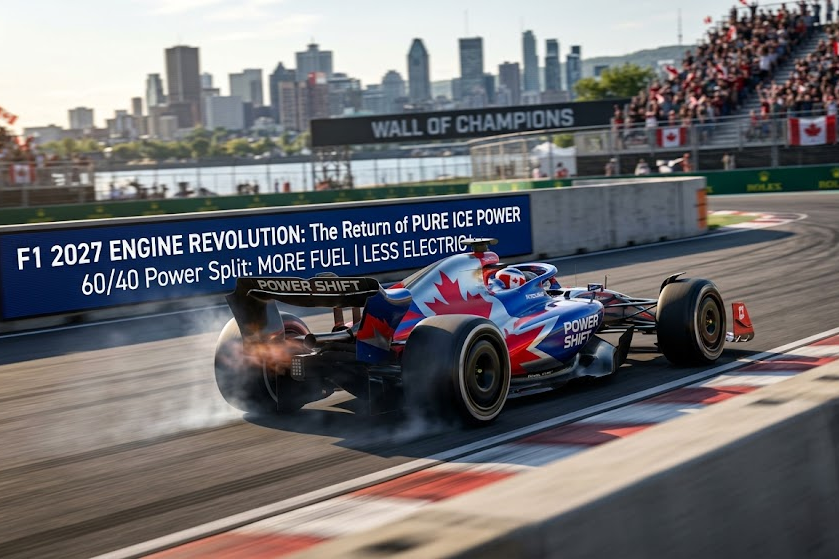
Formula 1 is at a turning point. After significant feedback from drivers and teams during the early stages of the 2026 season, the FIA and F1 bosses have officially agreed to a major engine design change for 2027. This decision aims to bring back the “raw” feeling of racing while maintaining the sport’s commitment to sustainability.
For fans in Canada, where the legendary Circuit Gilles Villeneuve rewards high-speed power and precision, these changes are particularly exciting. As we look toward the 2027 season, the focus shifts from complex energy management back to pure driving skill and internal combustion power.
The Core of the Change: Power Shift
The biggest news coming out of the recent meetings is the move away from the 50-50 power split between the Internal Combustion Engine (ICE) and the Electric Recovery System (ERS).
Drivers like Max Verstappen and Lando Norris have been vocal about the “yo-yo” effect of the 2026 engines, where cars would suddenly lose speed on straights due to battery harvesting. To fix this, the 2027 regulations will shift the balance toward the traditional engine.
Key Technical Adjustments for 2027
| Feature | 2026 Regulation (Old) | 2027 Regulation (New) |
| ICE Power Output | ~400 kW | ~450 kW (+50kW Increase) |
| ERS (Electric) Output | 350 kW | 300 kW (50kW Reduction) |
| Power Split Ratio | 50% Electric / 50% Fuel | ~60% Fuel / 40% Electric |
| Fuel Flow Limit | Lower/Restricted | Increased for higher output |
| Driving Focus | Energy Management | Pure Performance / Flat-out Racing |
Why Is This Happening Now?
The 2026 season started with high hopes, but it quickly became clear that the heavy reliance on electric power was affecting the “DNA” of Formula 1.
- Safety Concerns: Large speed differences between cars “harvesting” energy and those “deploying” it created dangerous closing speeds.
- Driver Satisfaction: Top champions expressed that the cars felt more like “Formula E on steroids” rather than the pinnacle of motorsport.
- Racing Quality: Fans want to see drivers pushing 100% of the time, not “lifting and coasting” to save battery power for the next lap.
By increasing the Internal Combustion Engine (ICE) power by 50kW (roughly 67bhp), the FIA is ensuring that cars have more consistent torque and top-end speed, especially on long straights like those found in Montreal.
Impact on the Canadian Grand Prix
Canada has always been a favorite for power-unit manufacturers. The long straight before the final chicane (the “Wall of Champions”) is where engine performance is most visible.
Under the 2027 rules, fans at the Circuit Gilles Villeneuve can expect:
- Louder Engines: More fuel flow and higher ICE output generally lead to a more aggressive engine note.
- Better Overtaking: Without the “clipping” (sudden loss of power) at the end of straights, overtaking will become more tactical and dependent on late braking rather than battery levels.
- Higher Top Speeds: The extra 50kW from the traditional engine will help cars maintain higher velocities across the entire length of the straightaways.
The Road to 2027: What’s Next?
While the agreement is set “in principle,” the teams and the FIA are now working on the hardware modifications. Because these changes involve fuel flow and engine cooling, teams need time to redesign their chassis to accommodate larger fuel tanks or different cooling setups. This is why the change is scheduled for 2027 rather than being rushed into the current 2026 season.
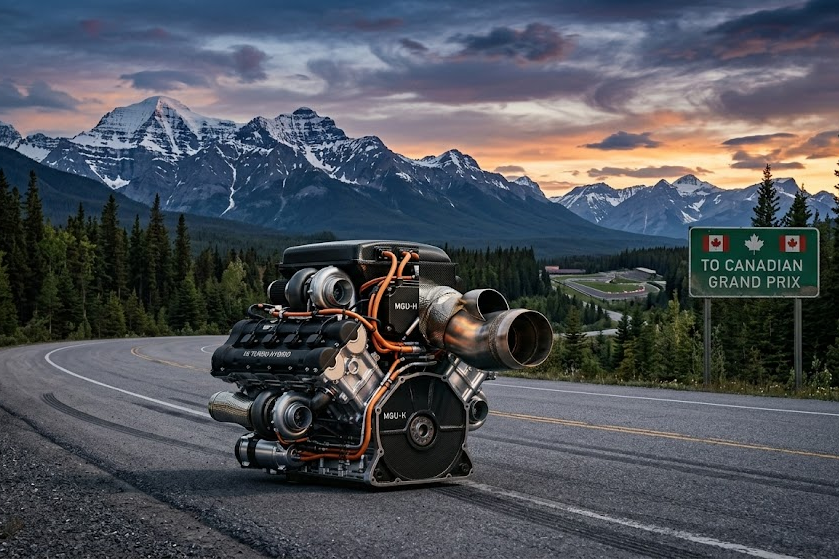
“The goal is to make the sport intuitive for drivers and exciting for the fans. We want a car that rewards a driver for being brave in the corners, not one that punishes them with a dead battery on the following straight.” — General sentiment from the FIA Technical Committee.
What This Means for Manufacturers
Major brands like Ferrari, Mercedes, Honda, Audi, and Ford (Red Bull Powertrains) must now pivot their development.
- Audi, entering as a new manufacturer, will have to adjust their maiden engine design.
- Honda and Ferrari will look to leverage their historical expertise in high-efficiency combustion.
- Ford will focus on how to integrate this increased ICE power while maintaining their sustainability goals.
Summary of the 2027 F1 Engine Update
The 2027 engine changes represent a “course correction” for Formula 1. By listening to the drivers and analyzing race data from the start of the 2026 season, the sport’s bosses have chosen a path that prioritizes competition and safety.
- More Fire, Less Wire: A 60/40 split favoring the combustion engine.
- Increased Speed: A net gain in “always-available” power.
- Simplified Strategy: Less focus on harvesting energy, more focus on the finish line.
As the F1 circus prepares for the upcoming Canadian Grand Prix, the buzz in the paddock is clear: the future of F1 just got a lot faster and a lot louder. Stay tuned as more technical details emerge regarding the specific fuel-flow numbers and aero adjustments that will accompany these powerful new engines.
FAQ
Read AI and UFOs