
Samsung Galaxy

Generated by Gemini
Evolution of Samsung phones: Samsung is a name that dominates the global technology market. From televisions to semiconductors, the South Korean giant is everywhere. However, its most significant impact on our daily lives comes through the Samsung Galaxy smartphone series. In this comprehensive guide, we will explore the history of Samsung, evolution of Samsung phones, the evolution of its mobile technology, and a detailed breakdown of the devices that changed the world.
The Story of Samsung: How It All Began
It might surprise you to learn that Samsung did not start as a tech company. Founded by Lee Byung-chul in 1938, Samsung began as a small trading company in Daegu, Korea, dealing in groceries and dried fish. The name “Samsung” means “three stars,” representing something big, numerous, and powerful. Lee evolution of Samsung phones.
It wasn’t until the late 1960s that Samsung entered the electronics industry. Their first electronic product was a black-and-white television. In the 1980s, they began investing heavily in mobile technology. Their first mobile phone, the SH-100, was released in Korea in 1988. While it wasn’t a global hit, it laid the foundation for what would become the world’s leading smartphone brand.

The Turning Point: The Birth of “Galaxy”
For years, Samsung struggled to compete with brands like Nokia and Motorola. Everything changed in 2010 with the launch of the Samsung Galaxy S. Evolution of Samsung phones
This device ran on the Android operating system and featured a vibrant Super AMOLED screen. It was the first real “iPhone killer.” Since then, Samsung has stayed at the top by focusing on three main pillars:
- Display Innovation: Always pushing for bigger, brighter, and clearer screens.
- Camera Excellence: Leading the way in zoom technology and night photography.
- Choice: Offering everything from affordable “A-series” phones to premium “Z-series” foldables.
Key Innovations Over the Years
Samsung’s success isn’t just about selling phones; it’s about inventing new ways to use them. Here are the major shifts:
- The Phablet Revolution: When the first Galaxy Note was released in 2011, people laughed at its “huge” 5.3-inch screen. Today, that size is considered small. Samsung proved that users wanted more space for media and productivity.
- Edge Displays: With the Galaxy S6 Edge, Samsung introduced curved glass, making phones feel more immersive and futuristic.
- Water Resistance: Samsung was one of the first to make high-end water resistance (IP68) a standard feature, starting with the S7.
- Foldable Technology: In 2019, Samsung changed the industry again with the Galaxy Z Fold, turning a phone into a tablet.
Samsung Galaxy Timeline and Comparison
Below is a detailed table showing the progression of the flagship Galaxy S series, including their release years and estimated launch prices.
| Year | Model | Major Changes & Features | Launch Price (Approx.) |
| 2010 | Galaxy S | 4.0″ Super AMOLED, 5MP Camera | $399 |
| 2011 | Galaxy S2 | Thinner design, Dual-core processor | $549 |
| 2012 | Galaxy S3 | “Inspired by nature” design, S-Voice | $599 |
| 2013 | Galaxy S4 | Full HD Screen, Eye-tracking features | $649 |
| 2014 | Galaxy S5 | Heart rate sensor, Water resistance | $649 |
| 2015 | Galaxy S6 / Edge | Glass & Metal build, Curved edges | $699 – $799 |
| 2016 | Galaxy S7 / Edge | Return of SD Card, Improved Low-light camera | $669 |
| 2017 | Galaxy S8 / S8+ | Infinity Display (No home button) | $750 |
| 2018 | Galaxy S9 / S9+ | Dual Aperture camera, Stereo speakers | $719 |
| 2019 | Galaxy S10 Series | Hole-punch display, Ultra-wide lens | $899 |
| 2020 | Galaxy S20 Ultra | 100x Space Zoom, 120Hz Refresh rate | $999 – $1,399 |
| 2021 | Galaxy S21 Series | Contour Cut camera, S-Pen support (Ultra) | $799 – $1,199 |
| 2022 | Galaxy S22 Ultra | Built-in S-Pen (Note replacement) | $799 – $1,199 |
| 2023 | Galaxy S23 Ultra | 200MP Main Camera, Snapdragon 8 Gen 2 | $799 – $1,199 |
| 2024 | Galaxy S24 Ultra | Titanium frame, Galaxy AI integration | $1,299 |
The Rise of Galaxy AI (The Modern Era)
As we move into 2024 and 2025, Samsung has shifted focus from hardware to Artificial Intelligence (AI). The Galaxy S24 series introduced “Galaxy AI,” which allows for:
- Live Translate: Real-time voice translation during phone calls.
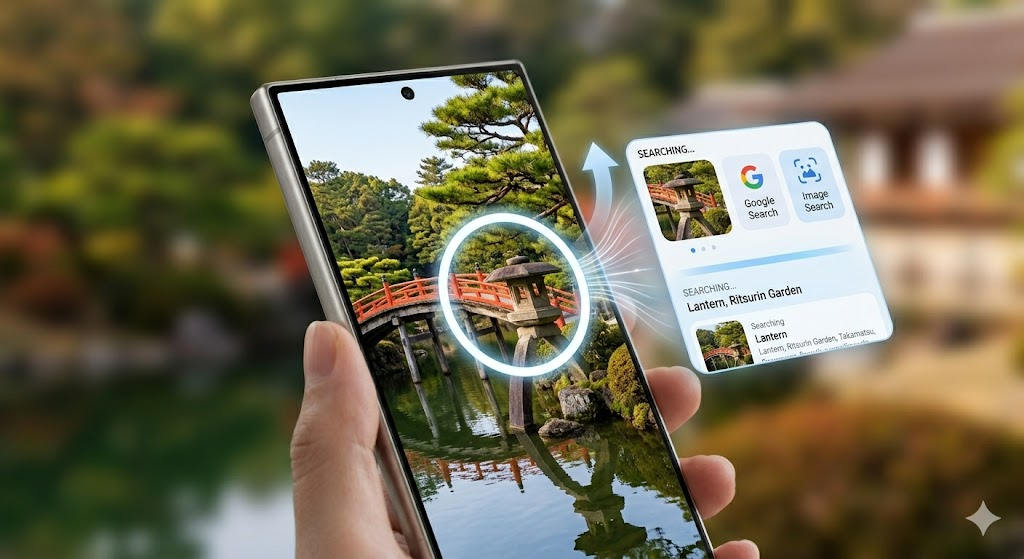
- Circle to Search: A new way to search anything on your screen just by circling it.
- Generative Edit: Using AI to move or remove objects in photos.
Which Samsung Series is Right for You?
Samsung categorizes its phones into “Series” to help buyers choose:
- S Series (Flagship): The best of the best. Best cameras, best screens, and best performance.
- Z Series (Foldables): For those who want the latest innovation. The Flip is stylish and compact; the Fold is a productivity powerhouse.
- A Series (Mid-range): Great value. These phones offer long battery life and good screens at a fraction of the cost.
- M/F Series: Budget-friendly options focused on massive batteries.
Conclusion
Samsung’s journey from a small grocery trader to the king of Android is a testament to constant innovation. Whether you are looking for a professional tool like the S24 Ultra or a simple, reliable phone like the Galaxy A54, Samsung has built a legacy of quality. As we look toward the future, the integration of AI and foldable glass ensures that Samsung will remain at the forefront of the mobile world.