
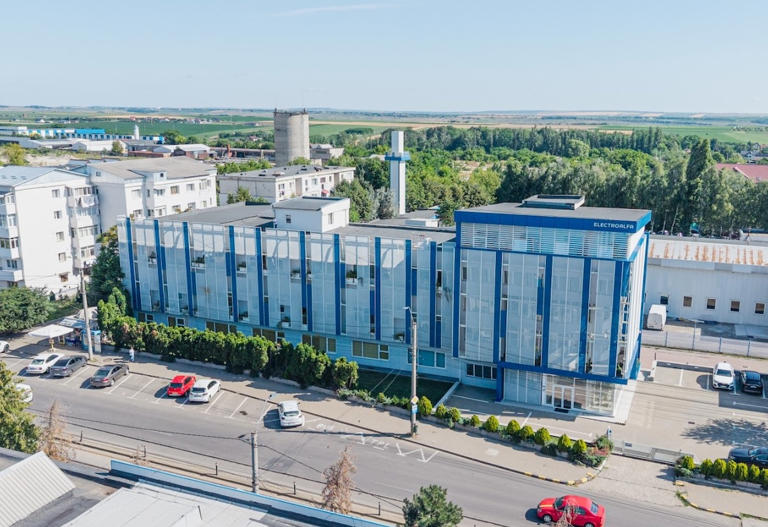
Photo : from the company
The European energy landscape is undergoing a seismic shift. As nations race to meet ambitious “Net Zero” targets, the focus has moved beyond just generating renewable energy to a more critical challenge: Energy Storage. In a significant move for Southeastern Europe, the Romanian electrical technology giant Electro-Alfa has announced the development of a massive 52 MW Battery Energy Storage System (BESS). This project isn’t just a corporate milestone; it is a vital organ for the future of Romania’s national power grid.
The Rise of BESS: Why This Project Matters
Renewable energy sources like wind and solar are inherently intermittent—they produce power when the sun shines or the wind blows, not necessarily when the grid needs it most. This creates a “mismatch” that can lead to grid instability.
Battery Energy Storage Systems (BESS) act as the ultimate buffer. By capturing excess energy during peak production and releasing it during peak demand, projects like Electro-Alfa’s 52 MW facility ensure:
- Grid Frequency Regulation: Keeping the electricity flow steady at 50Hz.
- Peak Shaving: Reducing the need to turn on expensive, polluting “peaker” gas plants during high-demand hours.
- Energy Sovereignty: Reducing reliance on imported energy by maximizing homegrown renewable output.
Electro-Alfa: From Equipment Manufacturer to Energy Innovator
Electro-Alfa has long been a household name in Romania’s industrial sector, known for high-quality electrical equipment and power solutions. However, this 52 MW project signals their evolution into a high-tech developer of complex energy infrastructure.
The project involves sophisticated engineering, including:
- Lithium-Ion Technology: Utilizing high-density cells for long-cycle life.
- Smart Inverters: Converting DC power from batteries to AC power for the grid with minimal loss.
- Energy Management Systems (EMS): AI-driven software that decides in milliseconds when to charge or discharge.
Economic and Environmental Impact
For Romania, this development is a triple win: Economically, Environmentally, and Technologically.
1. Boosting the Local Economy
Large-scale infrastructure projects create specialized jobs in engineering, construction, and maintenance. Furthermore, by stabilizing the grid, BESS projects can eventually lead to more predictable and lower energy prices for industrial consumers.
2. Accelerating Decarbonization
To meet EU mandates, Romania must integrate more renewables. You cannot have more wind farms without storage. This 52 MW system provides the “room” on the grid for several hundred megawatts of new solar or wind capacity to be added safely.
3. Attracting Foreign Investment
When a local player like Electro-Alfa successfully deploys large-scale BESS, it signals to international investors that Romania’s energy market is mature, tech-forward, and ready for the green transition.
The Strategic Location and Integration
While the technical specifications are impressive, the strategic placement of these 52 MW units near major consumption hubs or existing renewable clusters is what truly adds value. By placing storage close to where energy is either produced or heavily consumed, Electro-Alfa minimizes “line losses”—the energy lost as heat during long-distance transmission.
Challenges Ahead: The Global Battery Race
While the announcement is a cause for celebration, the path forward involves navigating a complex global supply chain. The demand for lithium, cobalt, and nickel is at an all-time high. Electro-Alfa’s success will depend on its ability to manage these logistical hurdles while maintaining the project’s timeline.
Moreover, the regulatory environment in Romania is still evolving. Policymakers must ensure that “balancing market” rules allow BESS operators to be compensated fairly for the critical stability services they provide to the nation.
Conclusion: A Brighter, Steadier Future
The Electro-Alfa 52 MW BESS project is a lighthouse for the Romanian energy sector. It proves that local expertise is capable of leading the charge in the most advanced sectors of the Green Deal.
As the world watches the transition from fossil fuels to electrons, Romania is positioning itself not just as a consumer of green tech, but as a sophisticated developer of it. For the average citizen, this means a more resilient grid, cleaner air, and a future where the lights stay on—powered by the wind and sun of the Romanian plains, stored safely in the batteries of tomorrow.
| Feature | Detail |
| Developer | Electro-Alfa (Romania) |
| Capacity | 52 MW |
| Technology | Battery Energy Storage System (BESS) |
| Primary Goal | Grid stability and Renewable integration |
| Target Market | Romanian National Power System (SEN) |
Pingback: Solar Energy - NEWS
Pingback: EU Climate Policy - NEWS